
How to know if you need a setup
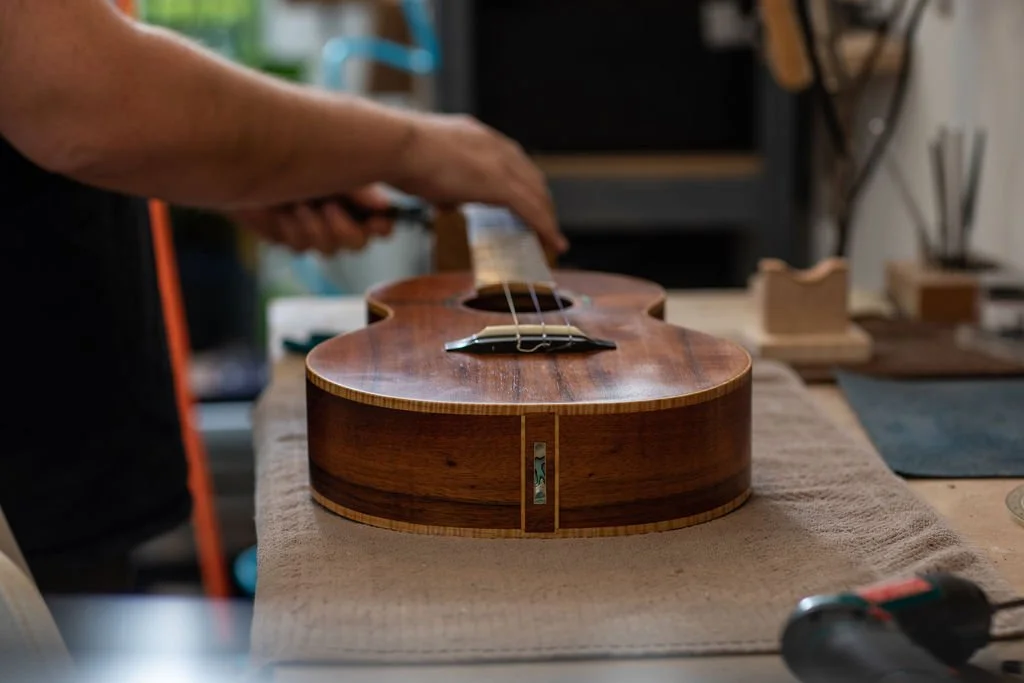
Like a car tune-up or a piano tuning, a setup is routine maintenance and care for guitars, basses, and ukuleles. As a player, it’s important to understand why and when you’ll need one and what to expect from the process.
The first setup should be before you buy it
Most new instruments that are bought directly from a luthier or a guitar store with an in-house tech should have been properly set up prior to being sold. However, big box and online stores very frequently skip this step. If you’ve just bought a new instrument and it’s not playing well, it’s likely that it didn’t get a setup before sale. Check your retailer’s return policy for any recourse. Otherwise, your local luthier can make it right.
Get a setup at least once a year
It’s a good idea to get a setup once a year, although twice a year may be necessary in some climates like Chicago. As your instrument weathers regular use and seasonal changes, you’ll start to notice changes in how it plays. These are indications that it’s time for a setup:
You’re moving into or out of a low-humidity season (mid-spring and late fall)
You’re changing your string gauge
The strings feel too high
It’s not playing in tune up and down the fretboard
Playing feels uncomfortable or just off
What you should expect from a setup
There are eight steps in the typical electric guitar or bass setup:
Restring
Assess the neck relief and adjust the truss rod
Check the bridge and set the action, which is the gap between the top of the fret and the bottom of the string at the 12th fret
Measure the string height of the nut, and file the nut slot to adjust the string height if necessary
Check the intonation to ensure that each string is in tune at the open position and the octave at the 12th fret; adjust as needed
Balance the pickup(s) by setting the height to the manufacturer’s recommendation, test for any difference in volume across the pickups, and further adjust if necessary.
Double check all electronics for any issues. If it’s an easy fix, it’ll be done as part of the setup. If it’s bigger, additional repair work may be needed at additional cost.
Spiff it up
Acoustic guitars and ukuleles follow a similar process, but electronic components are less of a factor and most ukuleles don’t have truss rods.
After a MachMachines setup, your instrument should sound as good as new—quite possibly better.
MachMachines can complete your setup in a week or less. You can find pricing for all of our repair services here , or go ahead and book an appointment now.
Author: David Showalter, MachMachines Co-founder & Head of Instruments